What to see in Seville?
Not sure what to see in Seville? Don't worry, we are going to show you 5 secret places to see in the city so you can become a true Sevillano.
Have you ever dreamed of visiting a city that fills you with life and colour? Seville is a beautiful city full of history. As the capital of the region of Andalusia, Seville gives off life, light and culture on every side. It is a very special city, full of wonders and corners brimming with charm and the secrets of a history with many voices. A history that is born in the oldest and most hidden corners of the city and grows in new places that are yet to be discovered. But where to start? What to see in a city full of stories?
If you want to discover this city for real, beyond the classics such as the Plaza de España, the Giralda and the Murillo Gardens, keep reading and you will discover 5 of the best-hidden secrets of the city.
I was born in Seville 23 years ago, and even today I keep discovering places I didn't know about that give me a new vision of the city and, above all, of its history and its people. I can say that I am in love with my city and I can't wait to share with you those very special places that characterise it... Do you want to get to know the real Seville beyond the Alcázar and the Plaza de España? (mind you, those are wonderful places too) Do you want to know what to see in Seville? Follow me and discover the most special places to visit in the city so you can be a true Sevillano.
Metropol Parasol
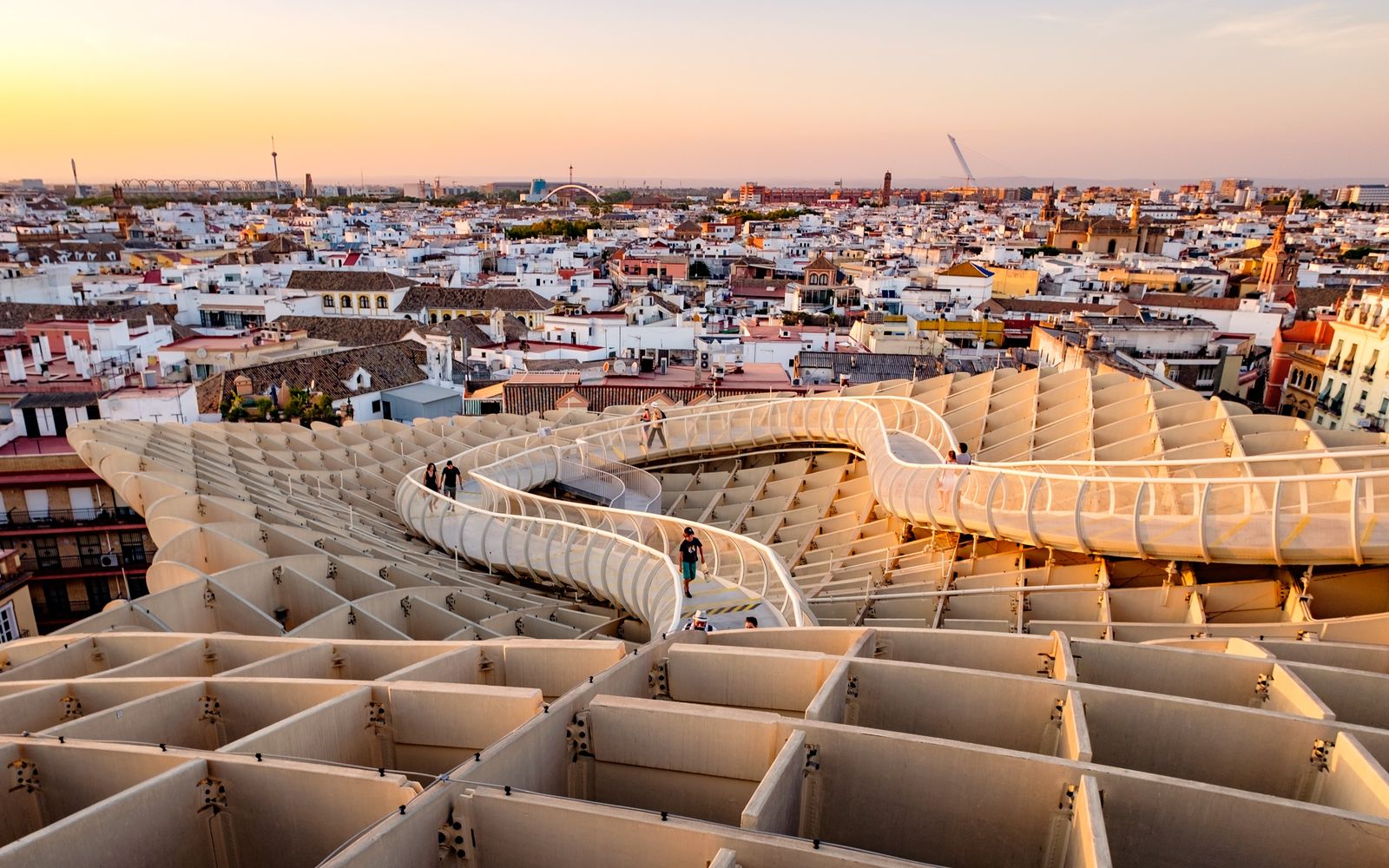
One of the wonders of Seville is its views and sunsets. It is a city of white buildings and terraces full of life, and seeing them from a distance is incredible. And for that, the best thing is to visit one of the most controversial places in the city, Metropol Parasol, better known as the Setas de Sevilla, the largest wooden structure in the world!
It was built in the last decade and designed by a German architect right in the centre of Seville. It certainly clashes with the style of the city, but nobody can deny that the viewpoint has the best views of the city and is one of the key places to see in Seville if you are interested in architecture and want to enjoy stunning views. And the best time to go is without a doubt sunset. You won't see views like them anywhere else. And also, at the base of the Setas there is a famous food market, where you will also find a café and several restaurants, such as La Sureña or La Gorda de las Setas, my personal favourites.
Where?
Right in the centre of the city, in the Plaza de la Encarnación.
When?
Opening hours are from 9.30am to 5.30pm, and the market is open from 8am to 3pm.
How much?
Admission costs 3€ but it includes a drink at the viewpoint bar.
Paseo de la O
And we carry on with the views, this time at river level, right in the Triana district. It is also next to the Palacio de San Jorge, a Palace of the Inquisition open to visitors, for those interested in the history of the city.
However, the best thing about this walk is going deep into a district full of tradition, colour and culture while we enjoy the calm of the Guadalquivir river bathed in daylight, with the sound of a district full of music and flamenco. And if you are left wanting more, do not hesitate to head into the district and enjoy a good flamenco show at the Tablao Pura Esencia and enjoy a good manzanilla to the rhythm of the guitar and live dancing.
Where?
On the banks of the Guadalquivir river. The best way in is to cross the Triana Bridge and turn right straight away.
When?
As with any walk along a river, the best time is the afternoon, at sunset. Flamenco shows usually start at 8pm.
How much?
The walk is obviously free, but if you want to visit the Tablao Flamenco, the price is 25€ for adults, 10€ for children, and 20€ for seniors and students.
Isla de La Cartuja
A bit of history
The history of the Isla de la Cartuja, although it is not really an island, is very interesting. Do you want to know why? In 1400, the only thing on the island was the Monastery of Santa María de las Cuevas, which was also the home and first burial place of none other than Christopher Columbus, and later, with the confiscation of church property, this monastery became the Seville Earthenware and Porcelain Factory, which is now the wonderful Seville Centre of Contemporary Art (CAAC). It was also right here that in 1992 the Universal Expo, took place, and it is incredible to stroll around there and enjoy the buildings and parks that were created for the Expo and are now practically abandoned, despite their current industrial and university character.
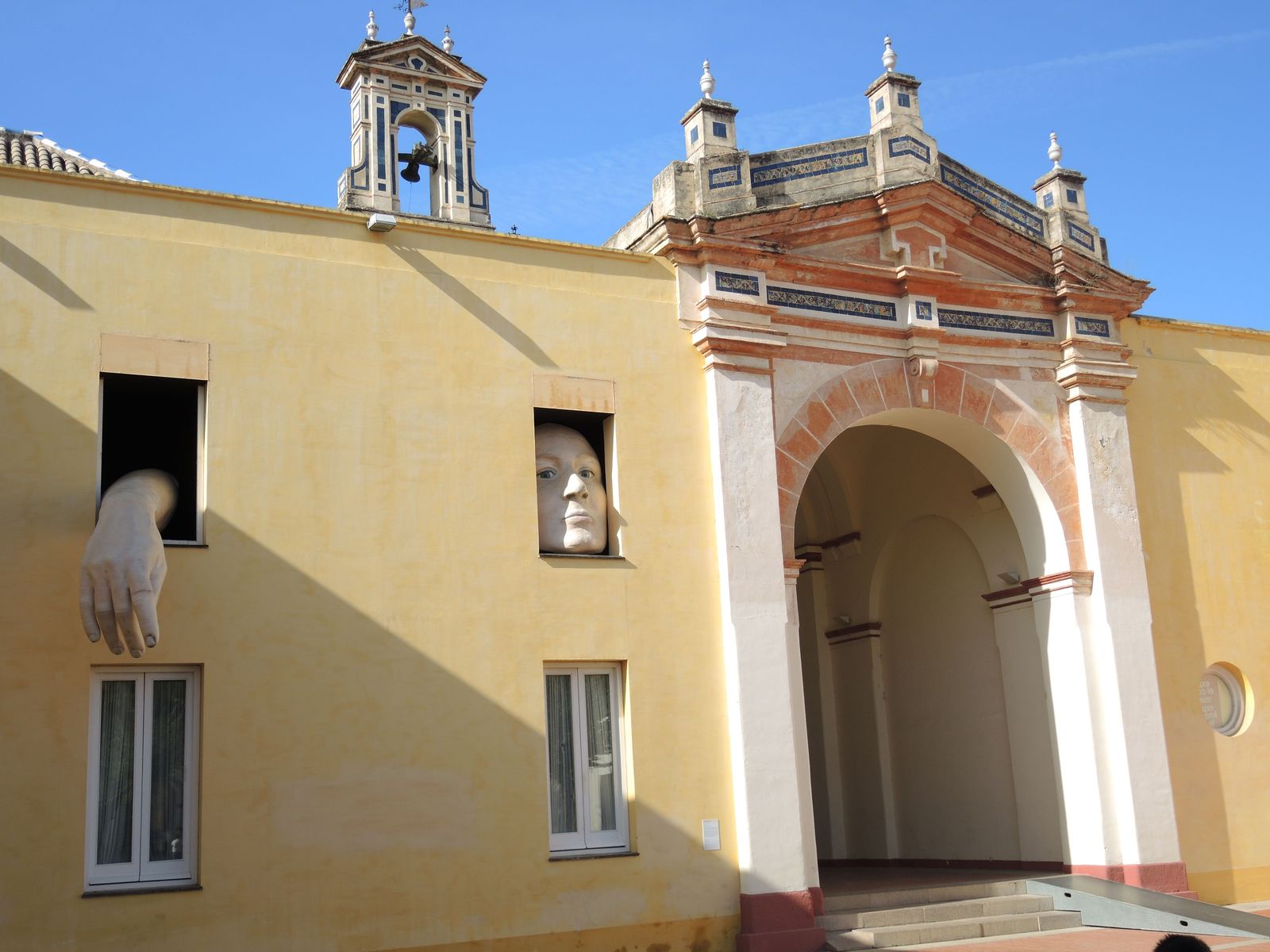
It is an area still to be discovered and you can enjoy a wonderful walk with nobody around you, exploring the different buildings, and strolling through the Guadalquivir Gardens. But do not miss a visit to the CAAC; if you are lucky they hold many open-air events and concerts, and they have wonderful gardens to pass the time in summer and spring.
Where?
You can reach La Cartuja by crossing the Pasarela de la Cartuja, which will take you straight to the CAAC, or we can come from the Barqueta bridge, which leads directly to the amusement park Isla Mágica, and take a walk through the area to the CAAC.
When?
You can visit the area whenever you like, but if you want to visit the CAAC, these are its opening hours, and to see the different events and exhibitions, you can look here.
Tuesday to Saturday from 10:00 to 18:00, Sundays and public holidays from 10:00 to 15:30. Closed every Monday.
How much?
Admission to the CAAC is free.
Torre de los Perdigones
After a relaxing walk along the river, the Torre de los Perdigones is a perfect place to rest. At the end of the 19th century, it was the Fundición Mata, or the San Francisco de Paula factory. But nowadays it is a Camera Obscura.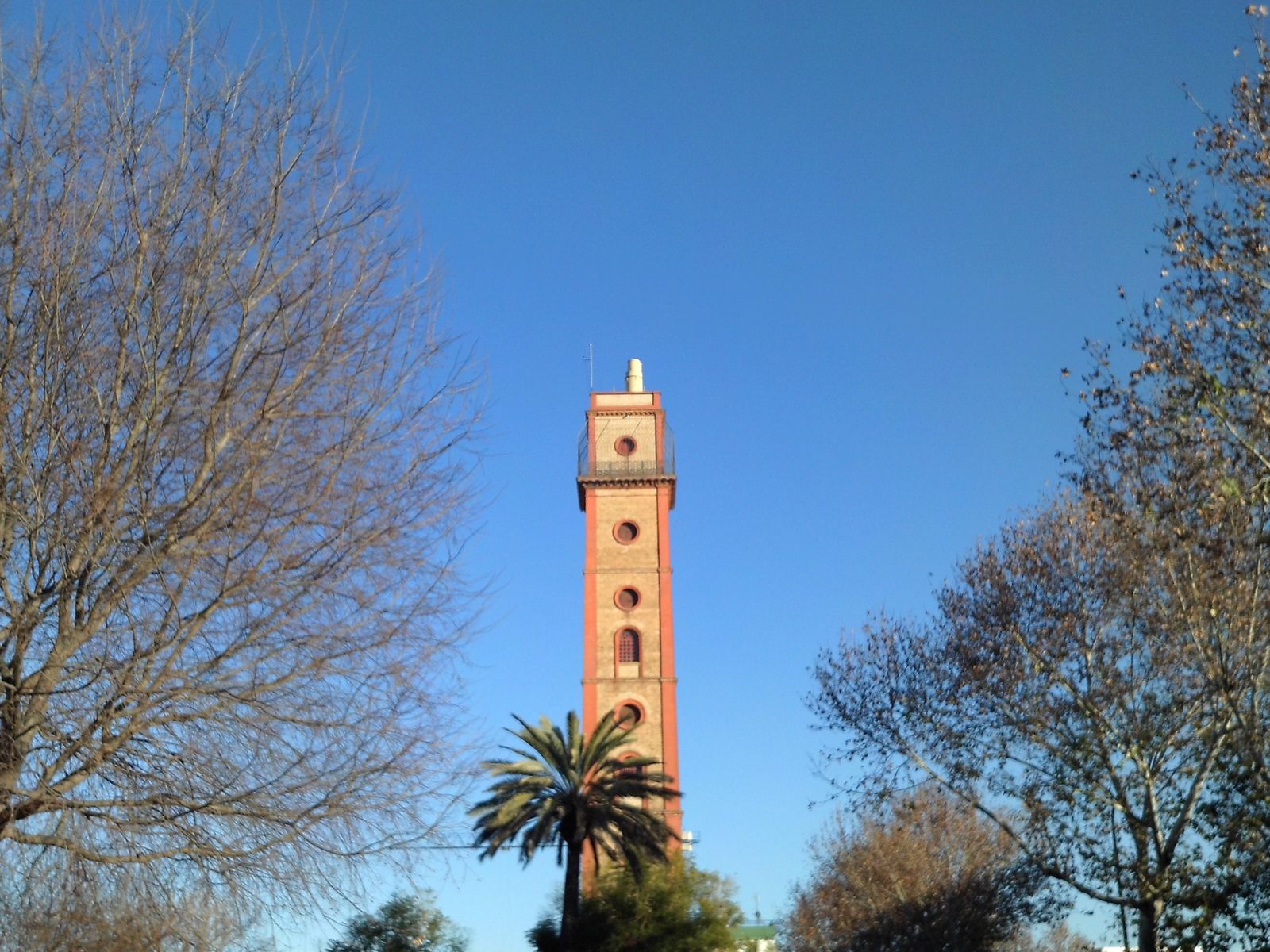
Where?
It is a 2-minute walk from the Barqueta bridge. Located in the Parque de los Perdigones, this tower rises to the north of the old town, in a former industrial area that is now the Macarena district.
When?
Winter (1 September to 15 July): Tuesday to Sunday, from 11:30 to 17:00. Tours every 30 minutes, groups of 10 to 12 people. Closed: 1 January and 25 December. Summer (16 July to 31 August): Tuesday to Sunday, from 10:00 to 15:30. Tours every 45 minutes, groups of 10 to 12 people. Closed from 21 to 28 July.
How much?
Camera Obscura and viewpoint admission: Adults: 4€. Children (5-12 years): 2.50€. Viewpoint: 1.5€.
The Royal Tobacco Factory
A bit of history
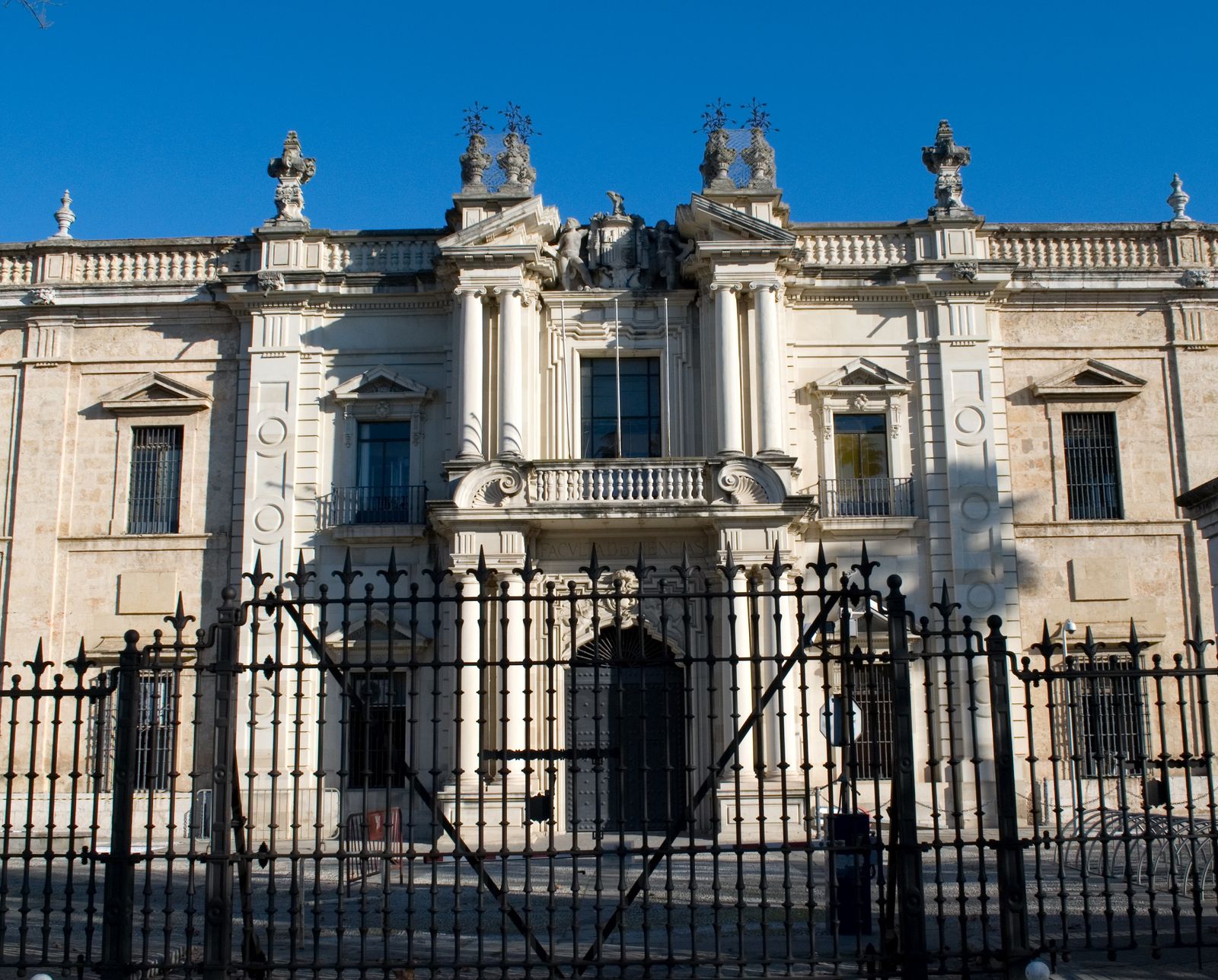
The Royal Tobacco Factory is the most important industrial building in Spain in the 18th century... and what is even more incredible, it was a factory until 1950, but since the 20th century it has been the seat of the rectorate of the University of Seville! Imagine strolling through the set of the opera Carmen, surrounded by history, and if you're lucky you can sneak into a History class.
And even better, you can also enjoy one of the most important works of Seville's Holy Week by Juan de Mesa, the Christ of the Students' brotherhood, which is in the Rectorate Chapel. If you are interested in tradition and want to know more about Seville's Holy Week, visiting one of its magical chapels is a must when deciding what to see in Seville.
Where?
The Old Factory can be entered from different areas. The main entrance is on Calle de San Bernardo, and there is a tram stop right opposite. We can also go in through the other entrances, but this is definitely the most impressive, and the chapel is right on the left.
When?
Friday, from 9:30 to 12:30 and from 16:00 to 18:00. Saturday, from 9:30 to 12:30.
How much?
Free!
Seville is full of surprises and charming places hidden on every corner. There is always something to see or discover in Seville, this wonderful city. Also, if you are in the area long enough, take the chance to discover other wonderful provinces of Andalusia, such as Cádiz or Almería.