What to do in Rome in 3 days
Rome is a city that will never stop surprising you. No matter how many times you visit, Rome always hides a corner that makes you keep thinking it is the best city in Europe. In 3 days you will be a bit short of time to see everything the Eternal City has to offer, but in this post I recommend some of the essential places I always took my visitors to when I was living in Rome.
Landing in Rome
Before you start enjoying the trip, bear in mind that there are two airports in the city: Ciampino and Fiumicino. From both airports there are different bus or shuttle companies that will take you to TERMINI, which you could call Rome's central station. These companies are: Terravision (the best known), SIT and TAM . They all cost around 5 euros per trip, but if you buy a return ticket it always works out cheaper, around 9 euros. Taxis have a fixed price from the airport to the city centre: 30 euros from Ciampino and 48 euros from Fiumicino.
Where to stay
As for accommodation, to get to know Rome in 3 days I recommend staying near some of the many points of interest, such as Trastevere, Piazza Navona or the Imperial Forum. Many people stay near Termini, as it is the central station and it is easier to get back by public transport after pounding the pavements all day. But you should also know that Rome has only 3 metro lines (because of the Roman remains it is hard to build underground), trams in the centre and lots of bus lines. Waiting times for buses are usually quite long. I recommend walking everywhere, because Rome can surprise you around any corner, and if you take public transport you could miss those little surprises.
If you want to stay in a lovely, central neighbourhood to enjoy your 3 days in Rome, that neighbourhood is without a doubt the Monti district. It is right next to the Colosseum and the Imperial Forum, so you will be close to places of interest, and it is a neighbourhood with a lot of charm. Some friends stayed at the Vesta Domus and it was great. There are quite a few tourist apartments in this neighbourhood, such as Rome Leonina .
DAY 1.
You can do a lot in 3 days, depending on how early a riser you are and how much time you like to spend looking at Rome's thousands of monuments. Here are the places I think you can see and enjoy in Rome in 3 days:
-
The Colosseum and the Imperial Forums
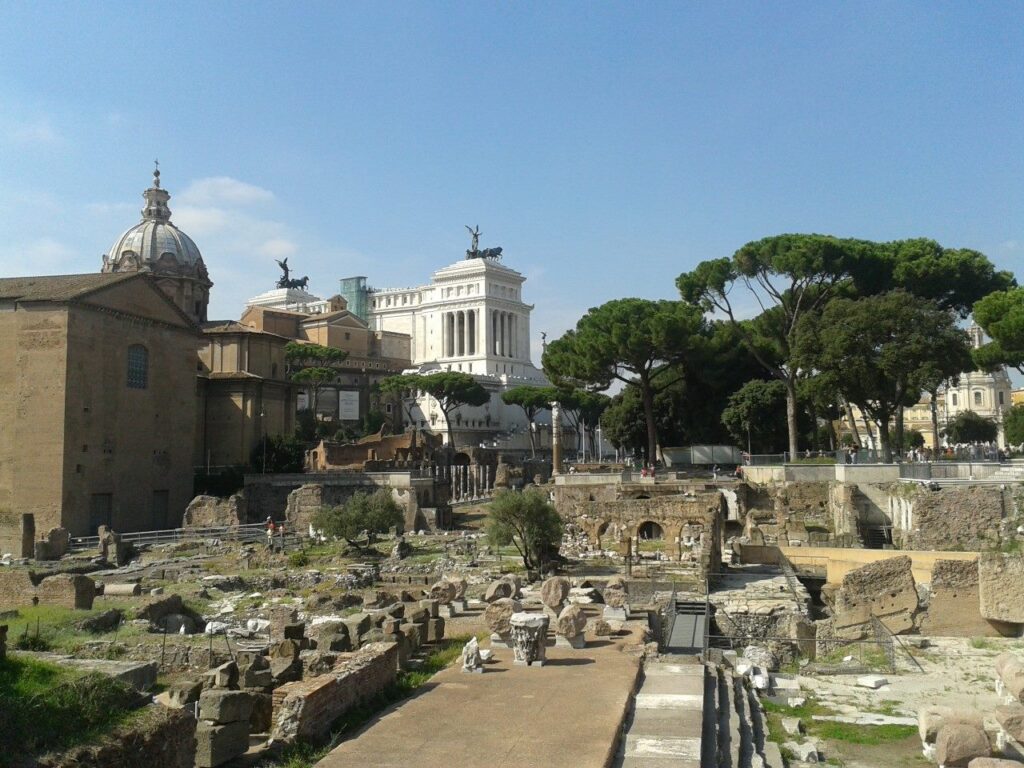
The Colosseum and the Imperial Forums leave nobody indifferent. If you are a devoted fan of the Roman era, I recommend going inside the Colosseum and the Imperial Forum. If it is not really your thing, I recommend walking around the Colosseum and looking at the three types of columns: on the bottom "storey" they were Tuscan-Doric, on the second Ionic and on the third Corinthian. Between the Colosseum and the entrance to the Imperial Forum you will find the Arch of Titus. This arch was erected after the death of Titus to commemorate the capture of Jerusalem. Strolling along the Via dei Fori Imperiali you can see many Roman remains. It is impressive if you stop to imagine the number of temples and buildings the Romans built 2,000 years ago.
-
Piazza Venezia and Piazza del Campidoglio
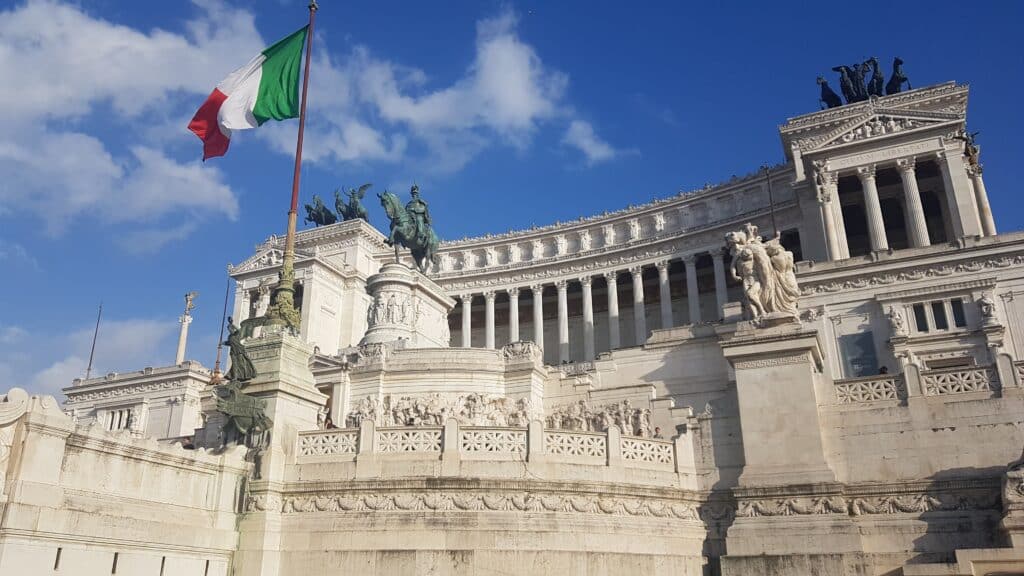
At the end of the Via dei Fori Imperiali stands the famous Piazza Venezia. Between this square and the Capitoline Hill is the famous Monumento Nazionale a Vittorio Emanuele II, named after the first king of Italy after unification. It is a monument that draws admiration from tourists, but according to malicious tongues the Romans were none too pleased that it was built on top of Roman remains. You may wonder why they did not build it in another part of the city. The explanation is that it stands in this square because they wanted it to be visible from the 7 hills that form the heart of Rome. The Romans say the best views of the city are from this building, because it is the only spot from which you do not see the building. In this square, which is chaotic to cross from one side to the other, you will also find the Palazzo di Venezia, from whose balcony Mussolini gave his endless speeches to the crowds.
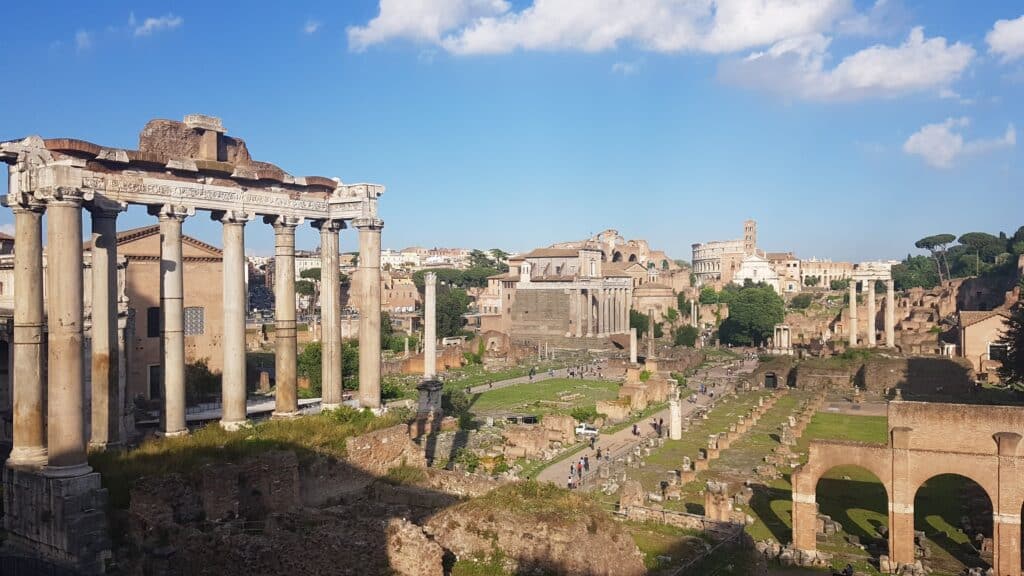
The Capitoline Hill is to the right of the monument to Vittorio Emanuele II. You reach the fantastic Piazza del Campidoglio, where the Capitoline Museumsare, by climbing the steps known as the Cordonata. If you love the history of the Roman Empire, a visit to these museums is a must, as this is where all the historical heritage is kept. You will enjoy all the sculptures inside! In this square there is a reproduction of the Capitoline Wolf, the famous she-wolf Luperca who, according to Roman mythology, suckled Romulus and Remus, the founders of the city of Rome. In the corners of this square you will have spectacular views of the Imperial Forums, for me the best ones without a doubt.
-
The Pantheon of Agrippa and Piazza della Rotonda
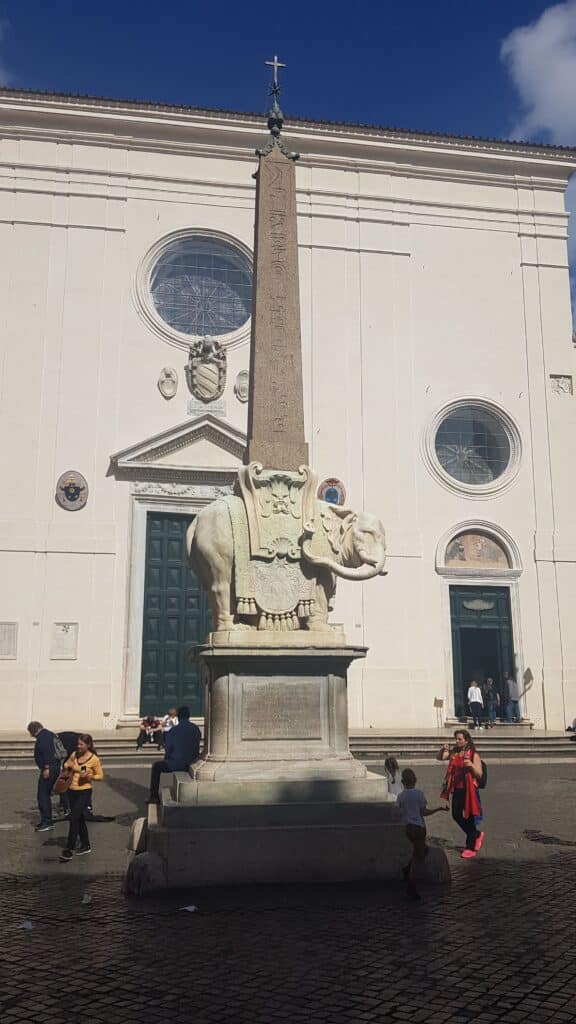
Leaving the Imperial Forum behind, you can walk to one of the most famous monuments in Rome, the Pantheon. But before talking about this incredible building, I do not want you to miss one of the most impressive churches in Rome (if nothing else, Rome has more than 900 churches, which is why they say there are more churches than Romans living in Rome). I am talking about the Church of Santa Maria sopra Minerva, which stands in the square that bears its name. This church was built on the remains of an ancient Roman temple dedicated to the Egyptian goddess Isis, and it is the only Gothic church in the city of Rome. Inside you will find works such as Michelangelo's Risen Christ, or Christ the Redeemer. In the square where the church stands we find the Pulcino della Minerva , a magnificent sculpture by the Italian artist Gian Lorenzo Bernini.
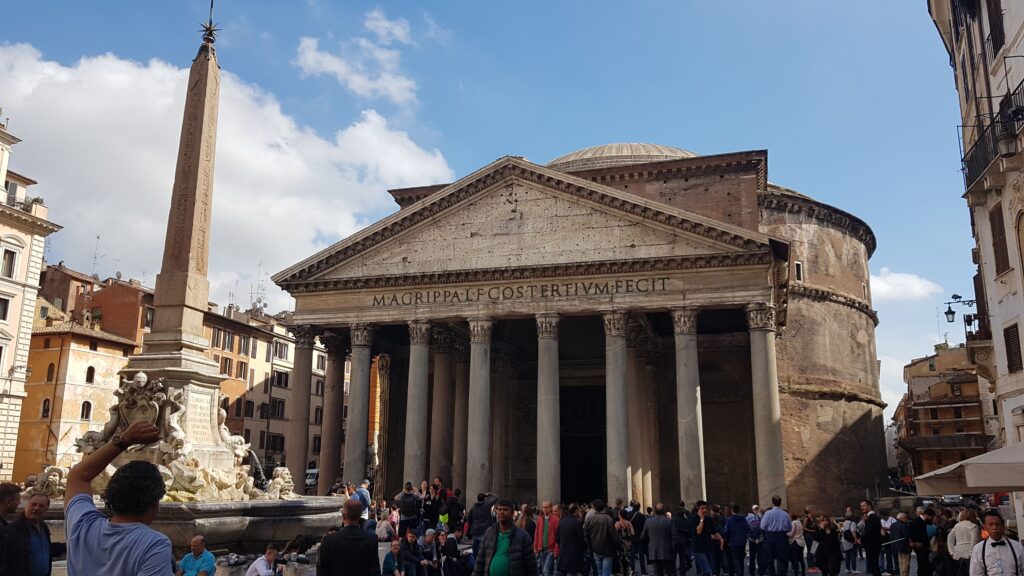
After this stop, we head to Piazza della Rotonda, home to the famous Pantheon of Agrippa. There are no words to describe this architectural marvel, one of the best preserved of ancient Rome. Entry is completely free, and the queue usually moves quite quickly. Today it is the Basilica di Santa Maria ad Martyres, and inside we will find the tombs of important figures, such as the "Father of the Italian Nation" Vittorio Emanuele II and the artist Raphael, among others. Inside the Pantheon, what stands out most is its impressive dome, where we will find the huge oculus in the centre, an opening nine metres in diameter through which the sun streams in in broad daylight.
DAY 2.
-
Piazza Navona and Umberto I Bridge
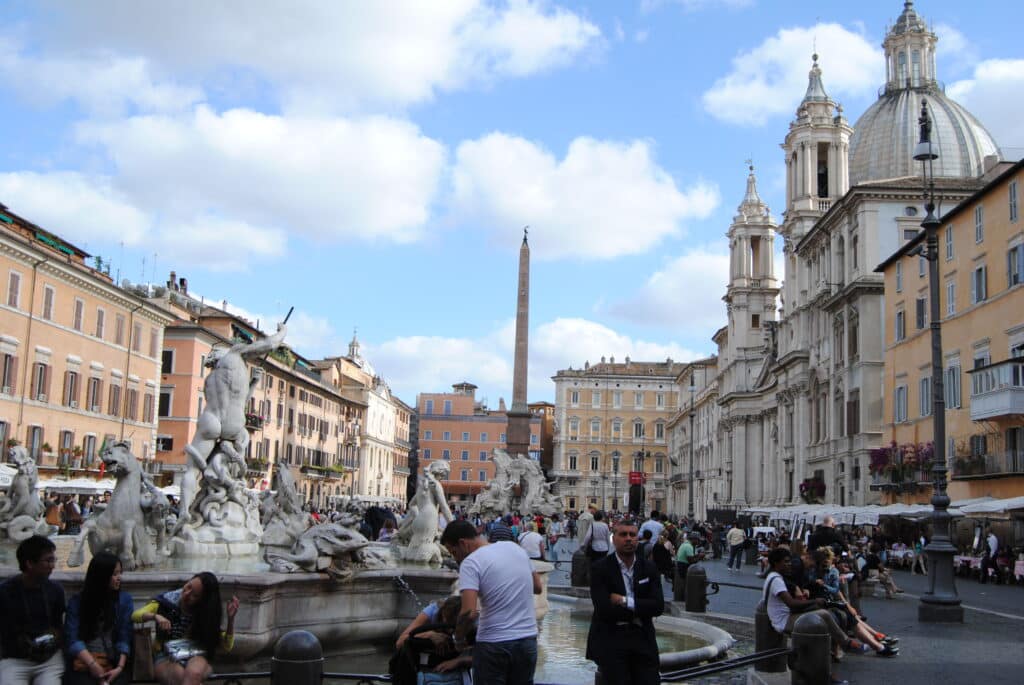
The Piazza Navona is one of the most famous squares in Rome. Its distinctive shape is due to the fact that it occupies the space of the ancient Stadium of Domitian. In the centre of this square stands the famous "Fountain of the Four Rivers" by Bernini, built in 1651. The statues represent the four most important rivers of the time: the Nile, the Danube, the Ganges and the Río de la Plata. See if you can identify each river!
We also find two more fountains at each end of the square: the Fountain of the Moor and the Fountain of Neptune. The two most notable buildings in the square are the Palazzo Pamphili and the Church of Sant'Agnese.
I recommend walking along Via di S. Agnese in Agone until you reach the Church of Santa Maria della Pace. Wandering around these streets is wonderful, they have loads of charm!
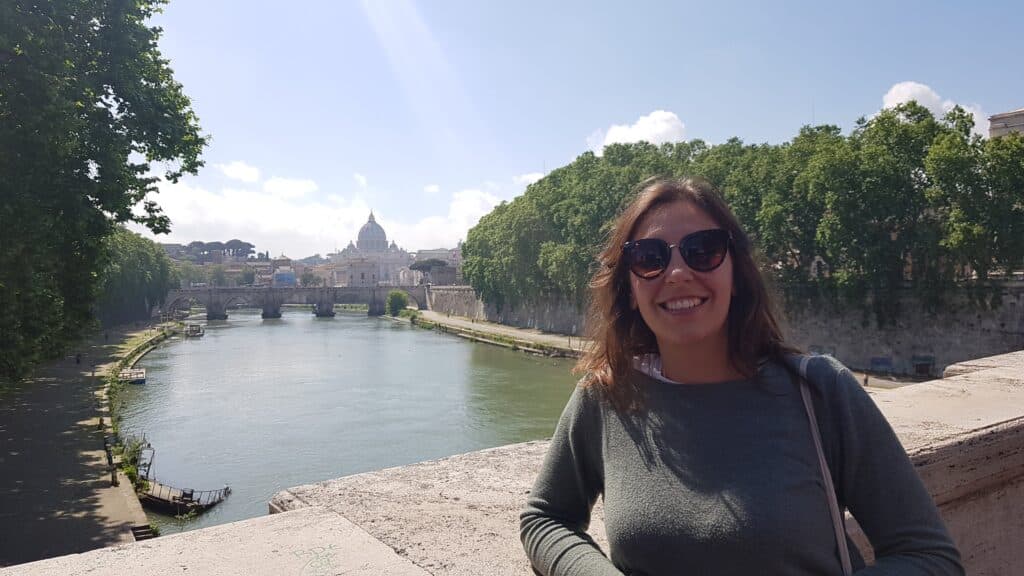
Near Piazza Navona is the Umberto I Bridge, from where you will have a beautiful view of St Peter's Basilica. The views are worth it both by day and at sunset. At the end of the bridge is the Corte Suprema di Cassazione, a magnificent building.
-
Trevi Fountain
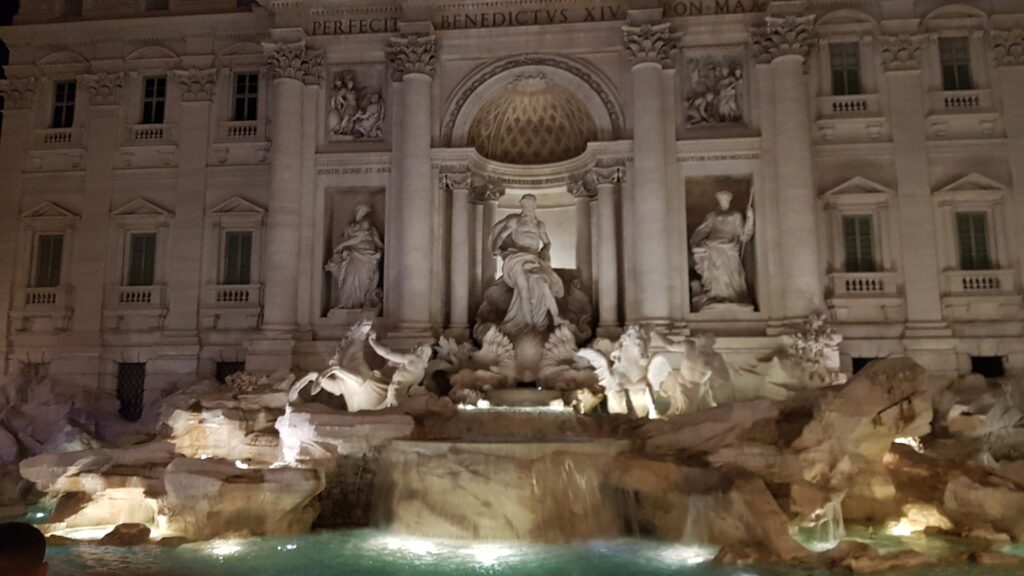
The Trevi Fountain is without a doubt one of the most famous fountains in the world, a Baroque fountain by the architect Nicola Salvi. If you manage to find a good spot to look at it, you won't want to miss a single detail! In the central part you can see the waterfalls cascading between the travertine cliffs, the tritons, the sea horses and the seashells. On either side there are two statues representing Abundance and Wisdom.
Visiting the Trevi Fountain is a must on a trip to Rome. The problem is that it sits in a very small square, and the number of people stops you enjoying the monument. Personally, I recommend that you go and see it one night, as there will be very few people and you will be able to enjoy the fountain almost to yourself. An absolute pleasure!
-
Piazza di Spagna and Piazza del Popolo
The famous Piazza di Spagna owes its name to the presence of the Spanish Embassy in this square since the 17th century. It is notable for its famous staircase by Francesco de Sanctis and Alessandro Specchi. These steps were built to link the Spanish embassy with the Church of Santa Trinità dei Monti. If you go in spring, you will find the whole staircase decorated with flowers. At the foot of these steps we find the Fontana della Barcaccia by Bernini.
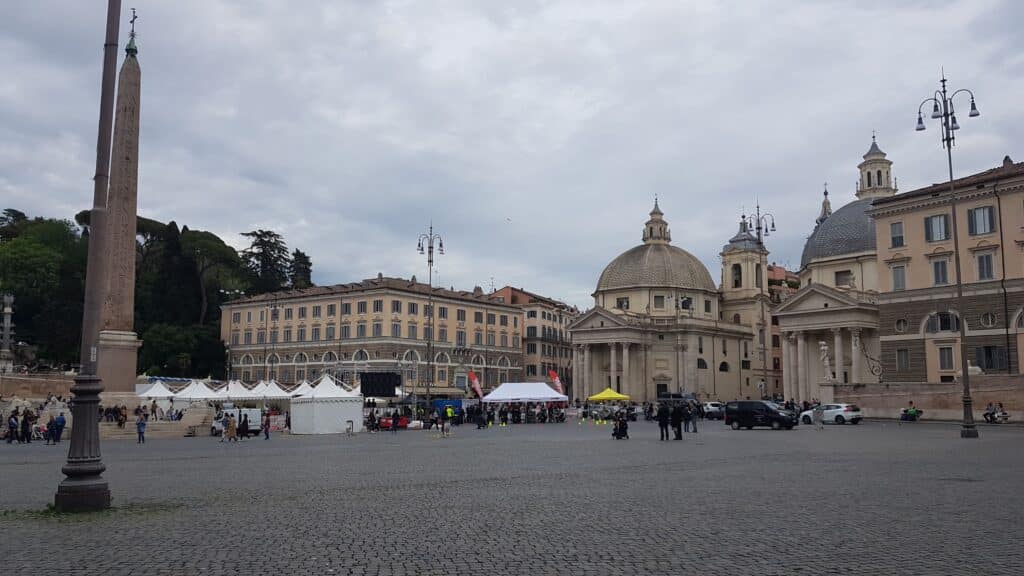
The next square, which for me is another must in Rome, is Piazza del Popolo. It is a majestic square at the northern edge of the city and since antiquity it has been the gateway to Rome par excellence. From this square the Via Flaminia set off, connecting the city with the rest of the continent. Today this road is taken up by the Via del Corso, the famous street full of shops that links Piazza Venezia with Piazza del Popolo.
This square stands out for its two twin churches, for the city gate, known in Roman times as the Flaminian Gate and which in the Middle Ages changed its name to Porta del Popolo, designed by Bernini.
Art lovers visit this square to see the two paintings by Caravaggio, "The Conversion of St Paul and the Crucifixion of St Peter", which are in the Church of Santa Maria del Popolo.
-
Villa Borghese
You can't leave Rome without visiting Villa Borghese, the most famous park in Rome, which sits on the Pincian Hill. From Piazza del Popolo you can reach it by a flight of steps and enjoy magnificent views of the square. Inside the park you will find museums, gardens, temples and even an artificial lake. If you like art, you can't miss the Galleria Borghese, where you will find works by Bernini, Caravaggio, Titian, Raphael, Parmigianino, Correggio, Antonello da Messina or Antonio Canova.
DAY 3.
-
Vatican City
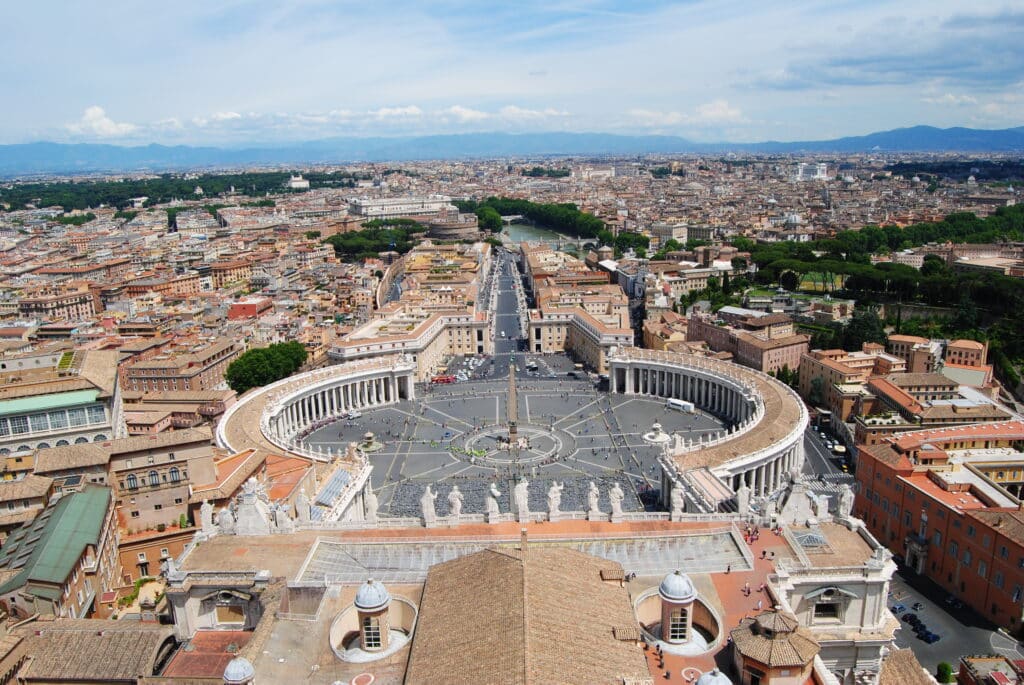
In 3 days in Rome you can't leave without visiting Vatican City, whether or not you are Catholic. The State of Vatican City is the smallest in the world and the only state that has Latin as an official language. The dimensions of St Peter's Square will leave you speechless. Entry to St Peter's Basilica is free and thoroughly recommended. Inside you will find a vast collection of works of art, and you should especially spend a few seconds appreciating Michelangelo's Pietà.
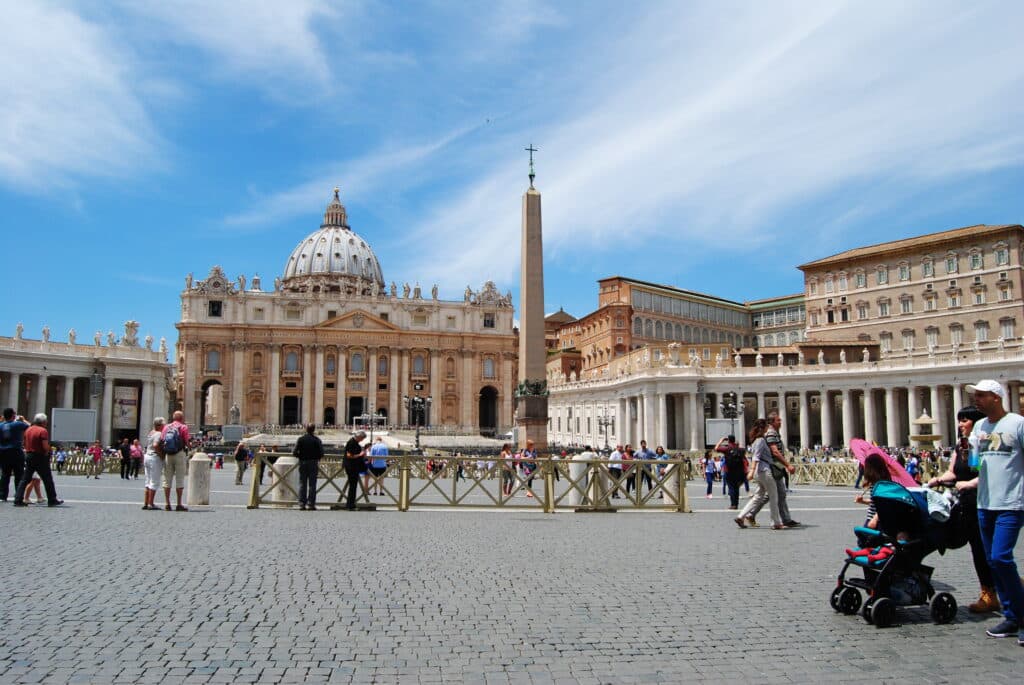
If you like views from the high points of the city, I recommend going up to the top of the basilica, where you will have the best views of St Peter's Square and of Castel Sant'Angelo. If I remember rightly, it costs 5 euros to go up. It is quite a few stairs, but when you get to the top you will have forgotten all about them.
-
The Vatican Museums
The Vatican Museums are well worth it, above all to see, once in your life, Michelangelo's Sistine Chapel and the Raphael Rooms. You should buy your tickets in advance, and be patient with the queue at the entrance. Inside, if you catch a good day, there may not be many people, but that is not usually the case. It is one of those museums you have to visit at least once in your life.
-
Castel Sant'Angelo and Ponte Sant'Angelo
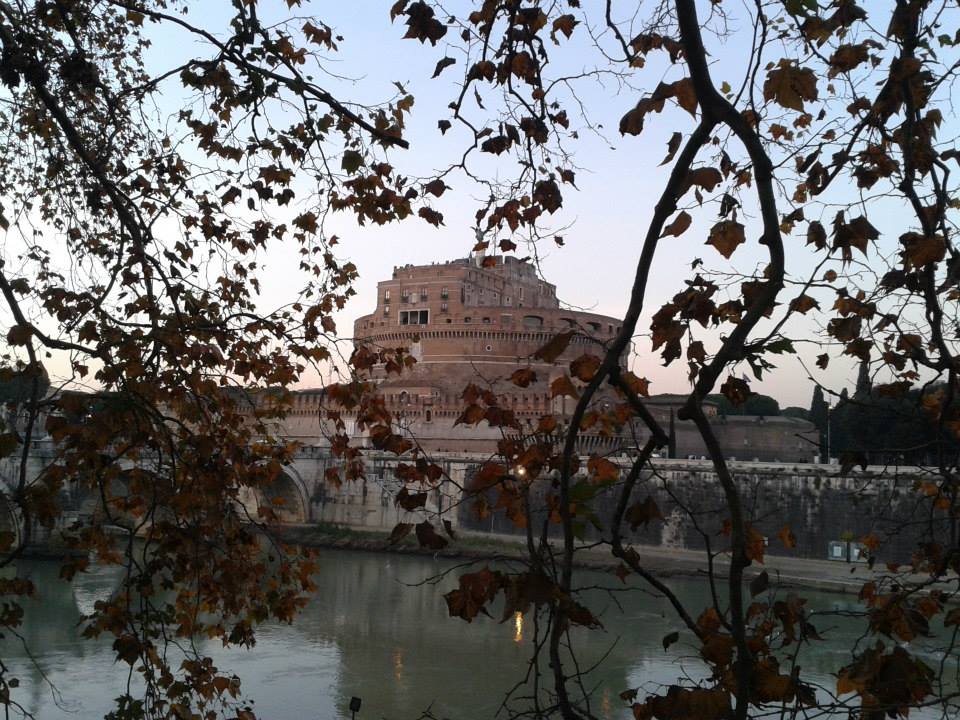
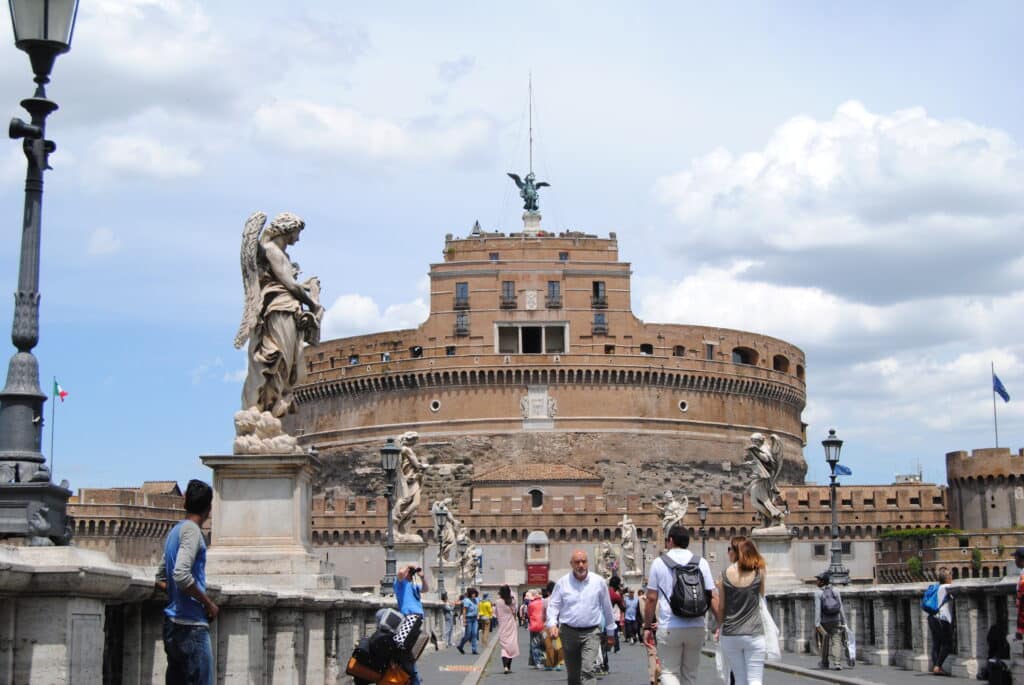
Formerly known as the Mausoleum of Hadrian, on the banks of the River Tiber, it is my favourite monument in Rome. The mausoleum was commissioned by the emperor Hadrian himself (117-198). It is connected to the other bank of the river by the Ponte Sant'Angelo, a bridge built to link the city centre with the Mausoleum. Thanks to its solid structure it has served as a fortress in endless wars for control of the city of Rome. Inside this fortress they withstood sieges lasting months: for the invaders to consider Rome conquered, Castel Sant'Angelo had to surrender.
It has also been used as a palace by many Popes, who spent long periods inside the fortress when there was unrest in the city. Since the 13th century there has been a "secret" passage, known as the Passetto di Borgo, linking Vatican City with Castel Sant'Angelo. This passage was used by various popes, among them Clement VII in May 1527, fleeing the troops of Charles V during the "Sack of Rome".
The castle now houses the Museo Nazionale di Castel Sant'Angelo. From the upper terrace you have spectacular views of Rome.
-
Trastevere and Tiber Island
You can't leave Rome without visiting the most bohemian neighbourhood in Rome. Trastevere needs to be explored on foot to enjoy all its essence: go down every little street you see and take in all the buildings that seem untouched by time.
I recommend going into the Basilica of Santa Maria in Trastevere, where inside there are 20 astonishing columns from the Baths of Caracalla. In the square where the church stands there is one of the oldest fountains in Rome. It is a square with a great atmosphere for sitting down to an ice cream or a slice of pizza al taglio. The most famous ice cream parlour in Trastevere is Fior di Luna. A bar in Trastevere where you can have a wine or a beer at an affordable price is Bar San Calisto, a real classic full of Romans.
San Pietro in Montorio. It is a convent of Spanish Franciscan monks, in whose courtyard stands Bramante's Tempietto, a small Renaissance temple. From the church terrace there are excellent views of the city.
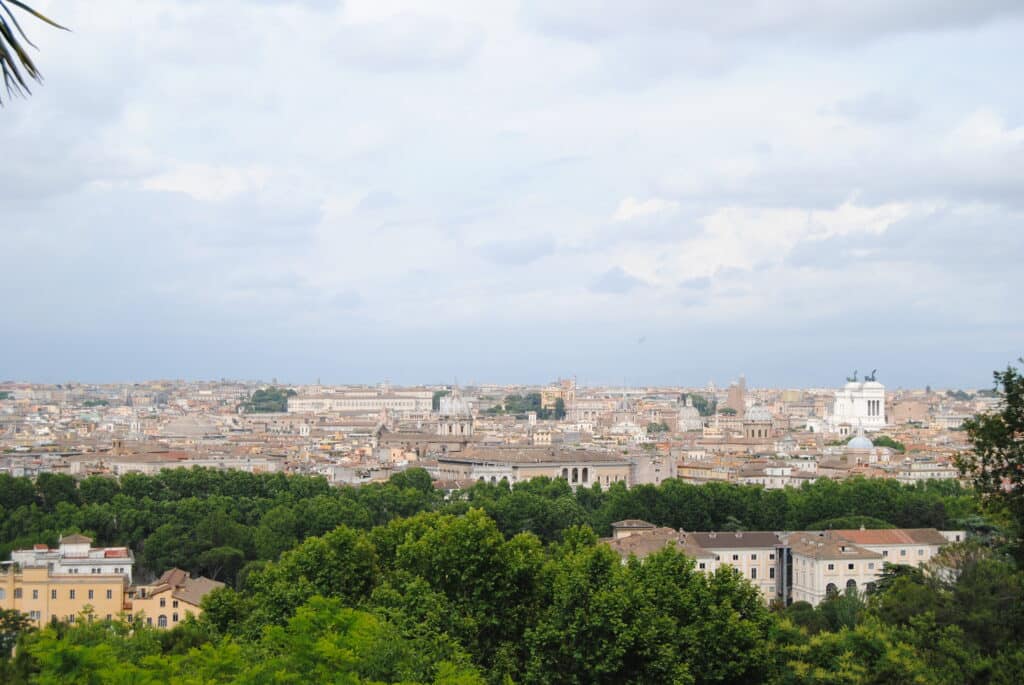
Walking through the lovely streets of Trastevere and finishing at the Janiculum Hill is what could make you fall in love with Rome, if you hadn't already. From the top of the hill you can enjoy incredible views of the city.
-
Tiber Island
Finally, you have to visit the little Tiber Island. It is a very small island but it holds one of the most curious legends in Rome. The legend says that after the fall of King Tarquin "the Proud", the people of Rome threw his body into the River Tiber, and at that very spot the Tiber Island appeared, as the sediment carried by the river gradually built up around it. For this reason the island became a place the Romans feared and where criminals were confined.
I hope this post helps you get to know the Eternal City in 3 days, and enjoy it the same way I enjoyed it while I was living in the city.